

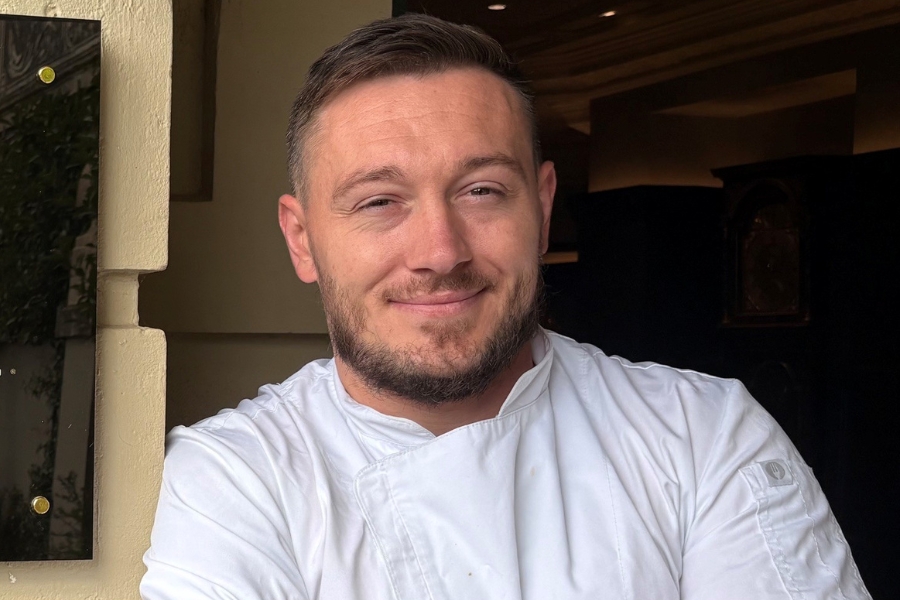
Sam Blunnie leads the Garden Room restaurant at Down Hall Hotel, Spa & Estate, where the relationship between chef and landscape begins long before anything reaches the plate. Working closely with Head Groundskeeper David Parkin, he draws on the hotel’s 110-acre estate to shape menus around what is growing, flowering and appearing naturally throughout the seasons.
For this edition of Powered by Pioneers, Sam shares what estate-to-plate really means at Down Hall, how looking beyond the kitchen has changed his approach, and what the estate might inspire next.
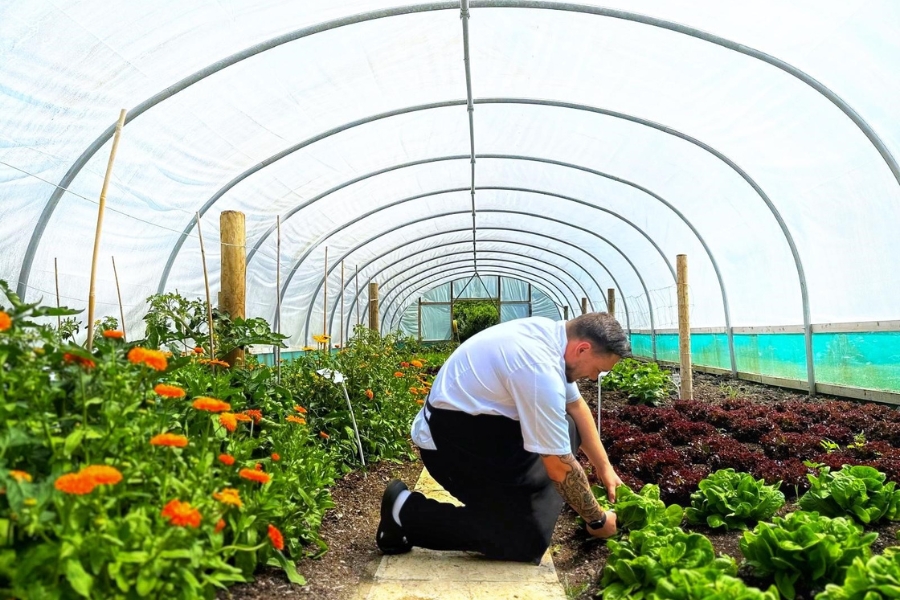
What does estate-to-plate mean at Down Hall, and how does your partnership with David shape what reaches the menu?
Estate-to-plate goes beyond a culinary philosophy. It represents a daily collaboration between the people who know the land and the people who transform its produce into memorable dining.
David and I are constantly talking about what is coming through in the garden, what is thriving naturally across the estate and what we should be planning for next season.
Vegetables harvested from the two-acre kitchen garden form the backbone of the menu, with herbs, flowers and wild ingredients gathered from across the wider estate completing the picture.
We regularly walk the grounds together, spotting ingredients many people would miss. Wild garlic arrives each spring, alongside mint, elderflower, berries and edible flowers. The estate changes every week. One day it’s the first wild garlic, the next it’s blossoms or herbs appearing somewhere unexpected. Working together means those moments don’t go unnoticed, and the menu can evolve around whatever nature offers us.
You have spent time learning outside the kitchen this year, from visiting vineyards to foraging across the estate. How has that changed your approach?
Understanding the winemaker’s perspective gives you a completely different appreciation of wine. It means we can guide guests with more confidence and create pairings that genuinely enhance both the food and the wine. It’s knowledge that comes back into every service.
We also took the kitchen brigade out across Down Hall’s woodland, meadows and gardens with a professional forager. The team learned to identify edible plants already growing throughout the estate, and new dishes came directly from that experience, using ingredients found metres from the restaurant.
For me, the more we understand the landscape around us, the more possibilities we see in it.
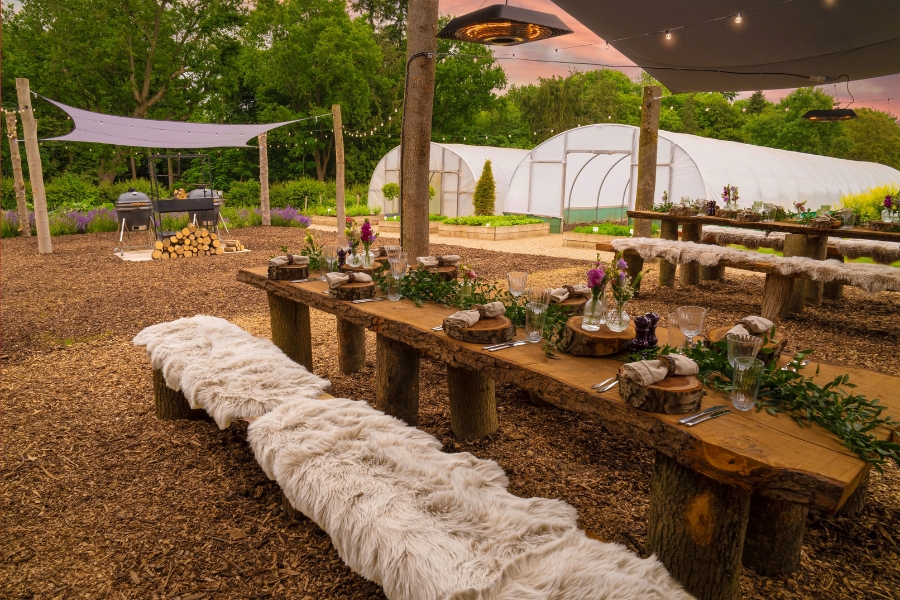
The Woodland Table takes that connection with the estate even further. What did you want the experience to feel like?
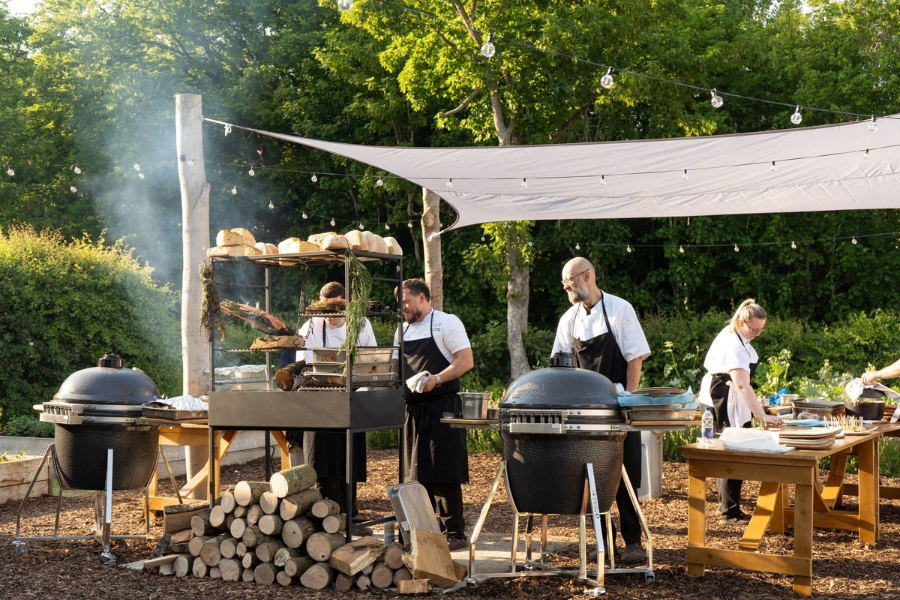
We wanted to create something entirely unique to Down Hall. The idea moved beyond simply creating an outdoor restaurant. It was about immersing people among the trees, with dishes cooked over open fire and ingredients gathered just feet away.
Smoke from the fire mingles with the aromas of the woodland while chefs cook in front of you, and each dish takes shape around what the estate is offering at that point in the season.
It’s not just outdoor dining. It’s about connecting people with where their food comes from. You couldn’t recreate the Woodland Table somewhere else because the experience is completely shaped by this estate.
If someone could eat just one dish to understand what the Down Hall kitchen is about, what would you choose?
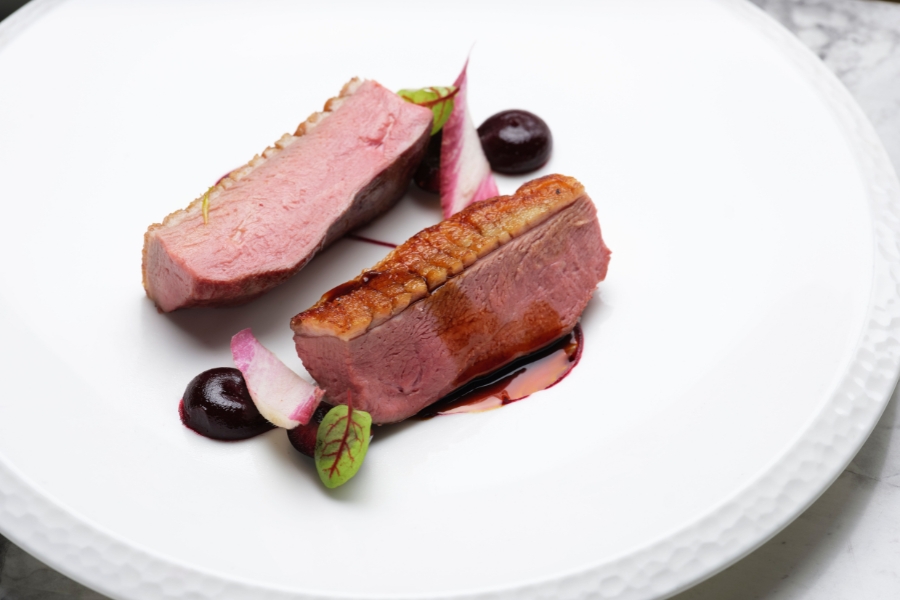
I would probably choose one of our venison dishes because it’s very easy for us to build the whole plate around ingredients from the estate. We can pair it with produce from the garden, including our kale, and create something where everything feels connected to this place.
And then there is our Down Hall pumpkin dessert, which we bring back every year. We make it into a mousse shaped like a little pumpkin. It’s become one of those dishes that people associate with Down Hall and with the seasons here.
What are you still discovering about the estate, and where do you want to take the kitchen next?
We’re always asking ourselves what else the estate can offer. There are opportunities all around us if we’re prepared to look and learn.
One project we’re exploring is tapping selected trees across the estate to harvest their sap. The naturally sweet liquid can be reduced into syrups and then used in sauces, glazes and desserts, bringing another flavour that belongs specifically to Down Hall into the menus.
The more we understand this estate, the better we can tell its story through food. For me, the future is about continuing to look closer to home and discovering ingredients and possibilities that have been around us all along.
At Down Hall, pioneering work doesn’t happen in isolation. It happens between chef and groundskeeper, kitchen and landscape; people looking at the same estate from different perspectives and continually asking what more it might offer.
The result reaches far beyond the plate. It becomes part of the experience of staying here: eating with the seasons, spending time among the gardens and woodland, and discovering an English country estate through the landscape that shapes it.