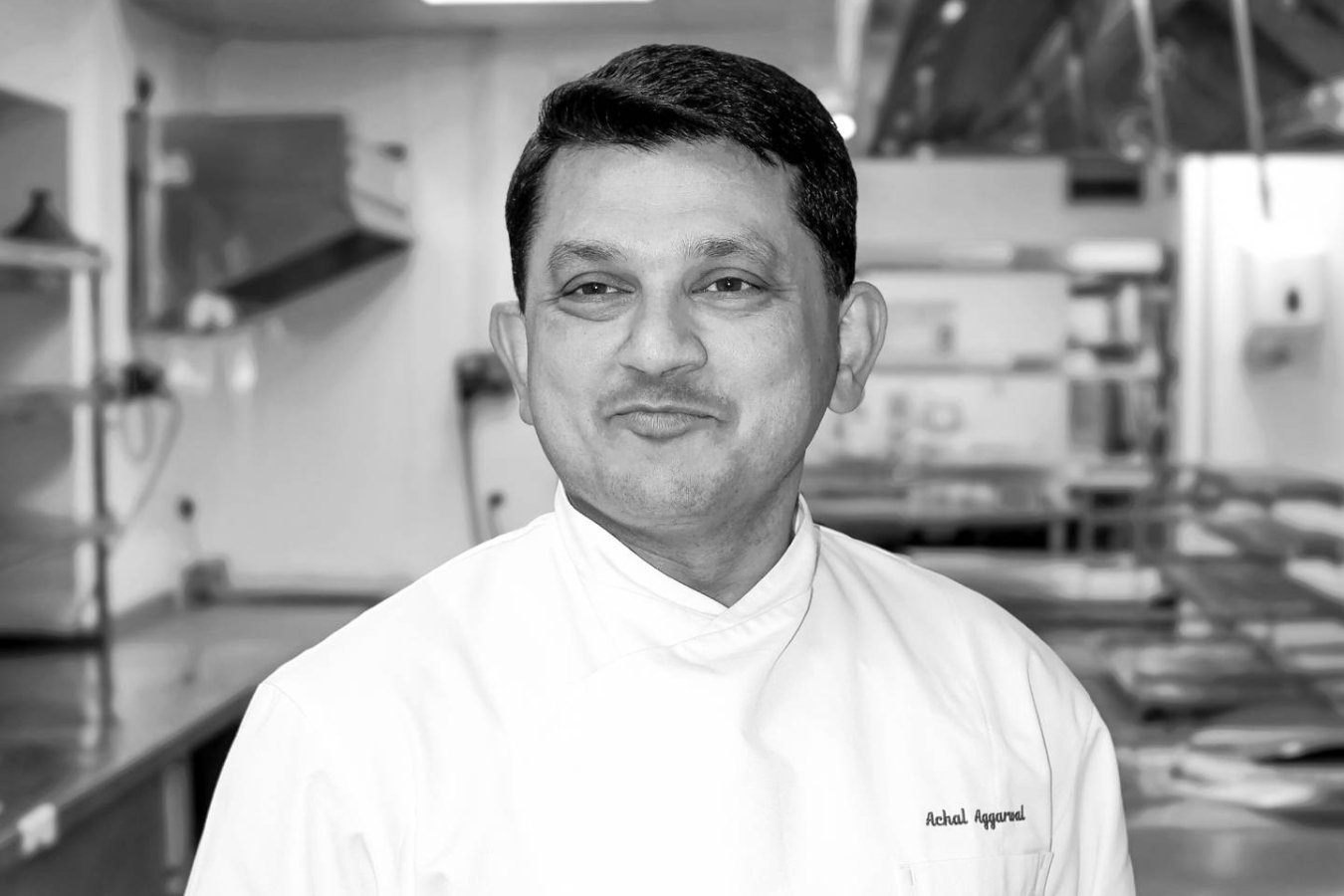
Some of the recipes that interest Achal Aggarwal have become difficult to find in restaurants. They take too long to prepare, or depend on ingredients that are troublesome to source. The head chef of Lomri, Foxhills’ two-AA-Rosette restaurant in Surrey, encountered them while working in Indian hotel kitchens. Keeping those dishes in circulation means finding time for preparations that other chefs have dropped. What survives that process can make a familiar-looking menu more interesting to read.
Consider the dal makhani. Lomri cooks its black lentils for up to 24 hours on the tandoor, finishing them with butter and dried fenugreek. It costs £7 and appears among the sides. A table could spend considerably more on dinner and miss one of the clearest examples of the kitchen’s patience. The price gives little indication of the preparation involved.
Lomri retained its two Rosettes following Foxhills’ latest AA inspection. The inspector recognised the construction of the dishes, their balance of flavour and the quality of the produce. Foxhills also retained Four AA Red Stars and its AA Breakfast Award, while its overall quality score increased to 89%.
Royal Recipes, Working Kitchens
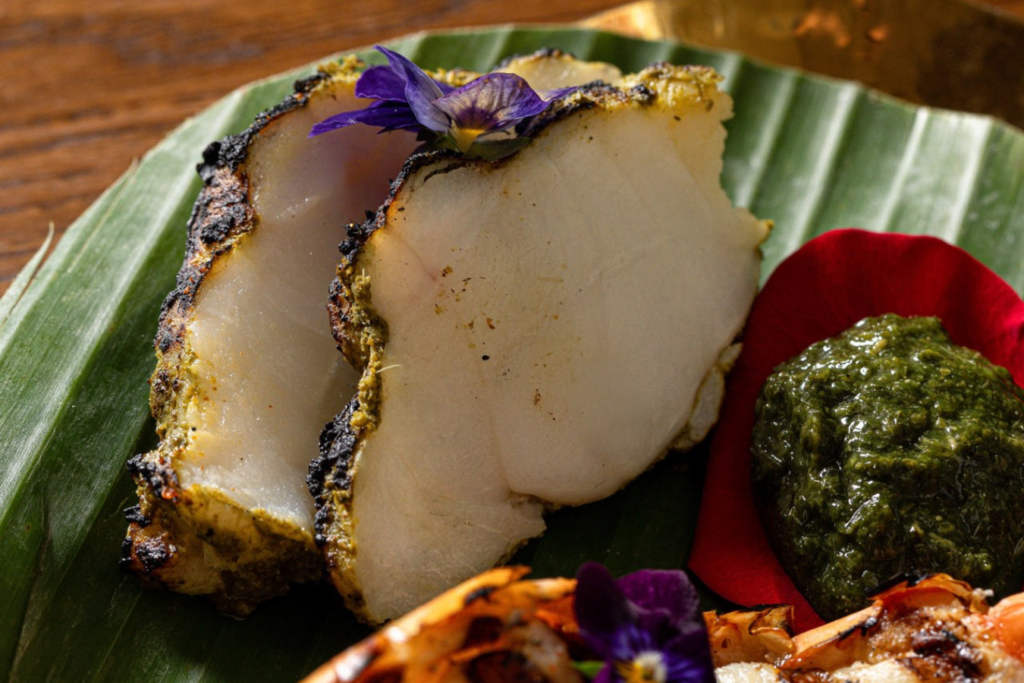
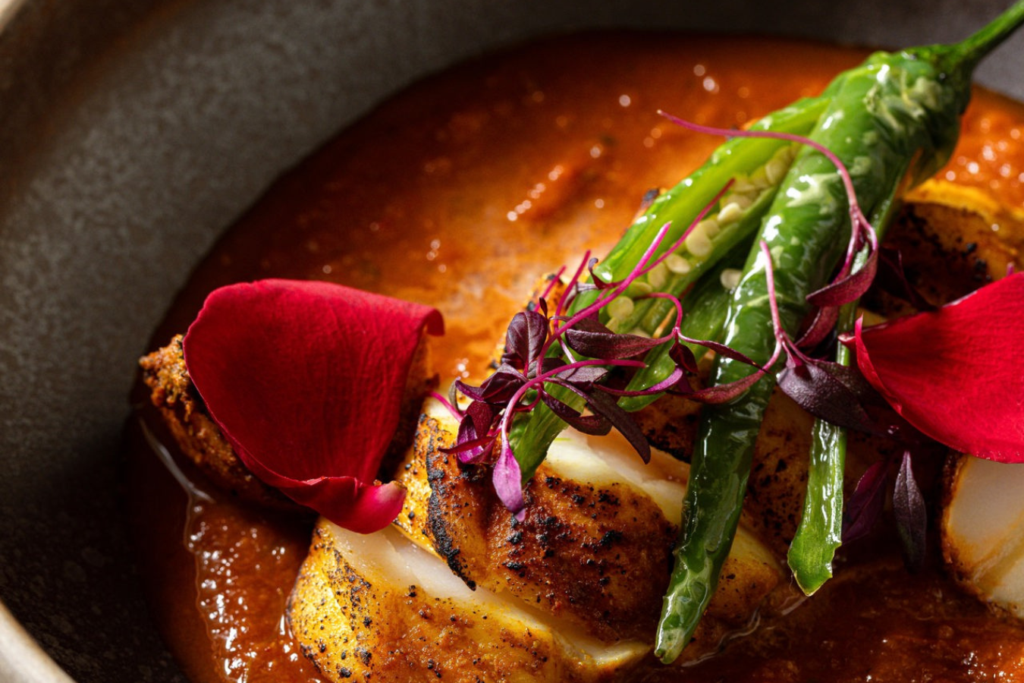
Aggarwal’s career includes leading the kitchen at Chutney Mary and working across Atul Kochhar Restaurants. His menu at Lomri draws on regional Indian cooking, with room to adjust a preparation. Amritsari fish is usually fried; Lomri cooks its spice-and-gram-flour-coated sea bass in the tandoor and serves it with coriander chutney. Lamb chops are flattened so they cook quickly, seasoned with Mathania chilli paste and accompanied by garlic chutney.
The lentils and chops require quite different judgments about time. They also make a convincing pair of dishes to order together: one prepared over many hours, the other shaped specifically for a short cooking time. Aggarwal’s interest in demanding recipes leaves room for a dish whose success depends on speed.
His account of working in India helps explain that approach. The royal cuisines he encountered in hotel kitchens remain important reference points, particularly recipes requiring ingredients or preparation that restaurants can struggle to accommodate. He speaks about them as food he learned to cook during his career, with practical demands he knows first-hand.
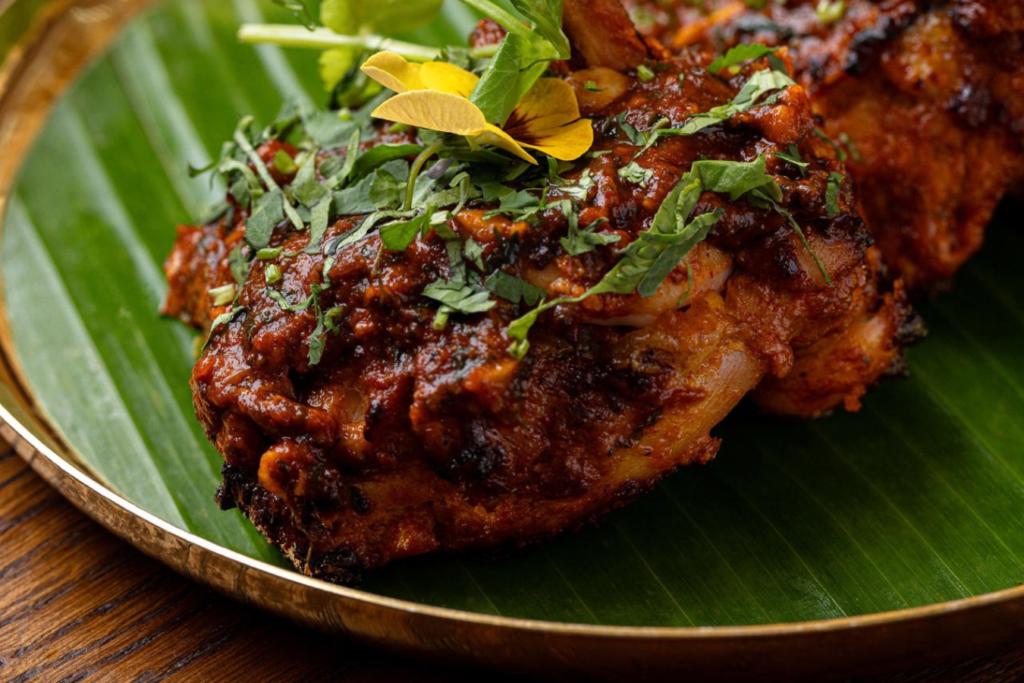
A country house with regulars
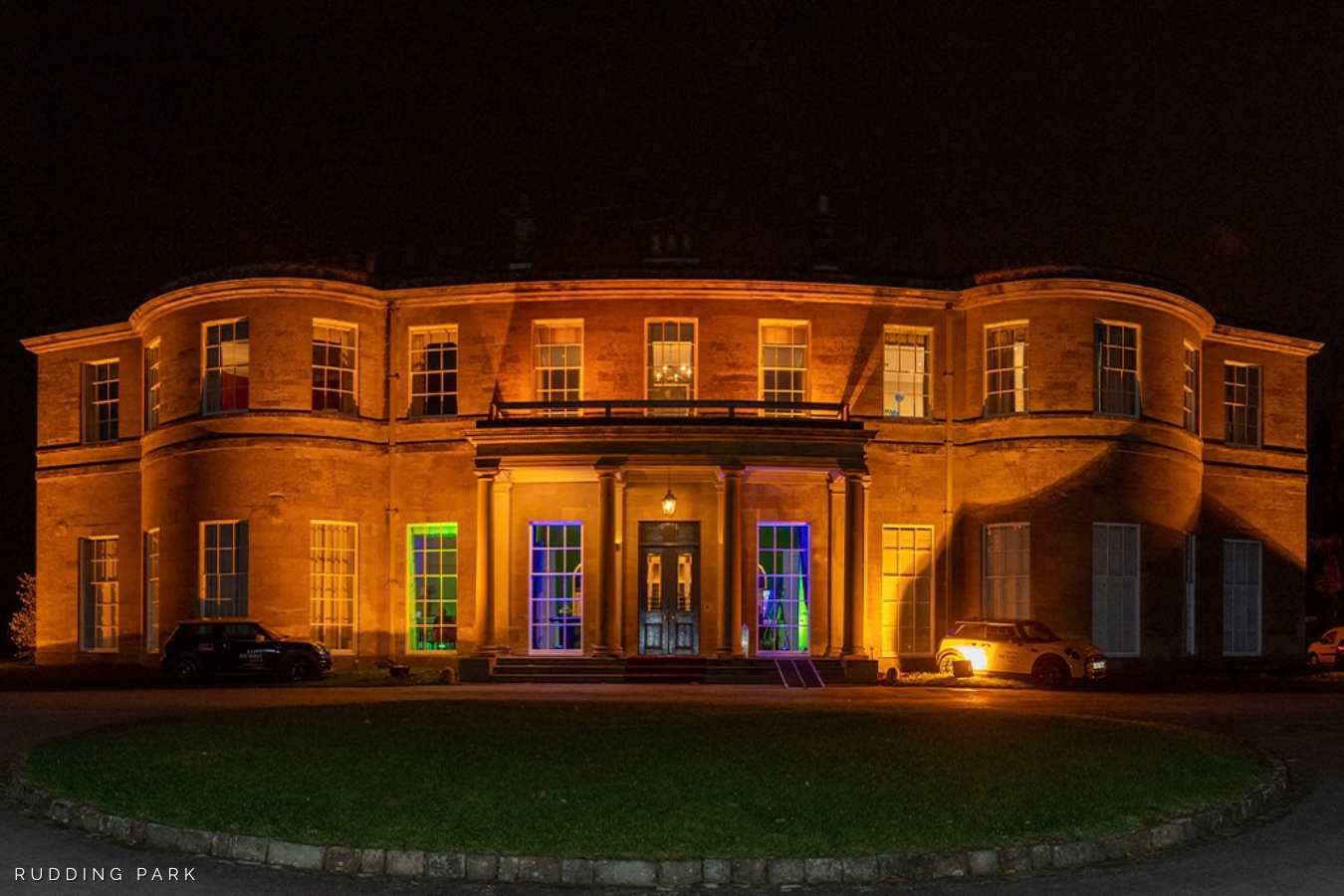
Lomri occupies Foxhills’ Manor House on Stonehill Road in Ottershaw. The 400-acre estate has 66 bedrooms, but overnight guests account for only part of its daily life. Members return for golf, racquets and a programme of around 150 weekly activities. Visitors staying for a weekend share the grounds with people who use the club throughout the year. Dinner in the Manor House belongs to that continuing life of the estate.
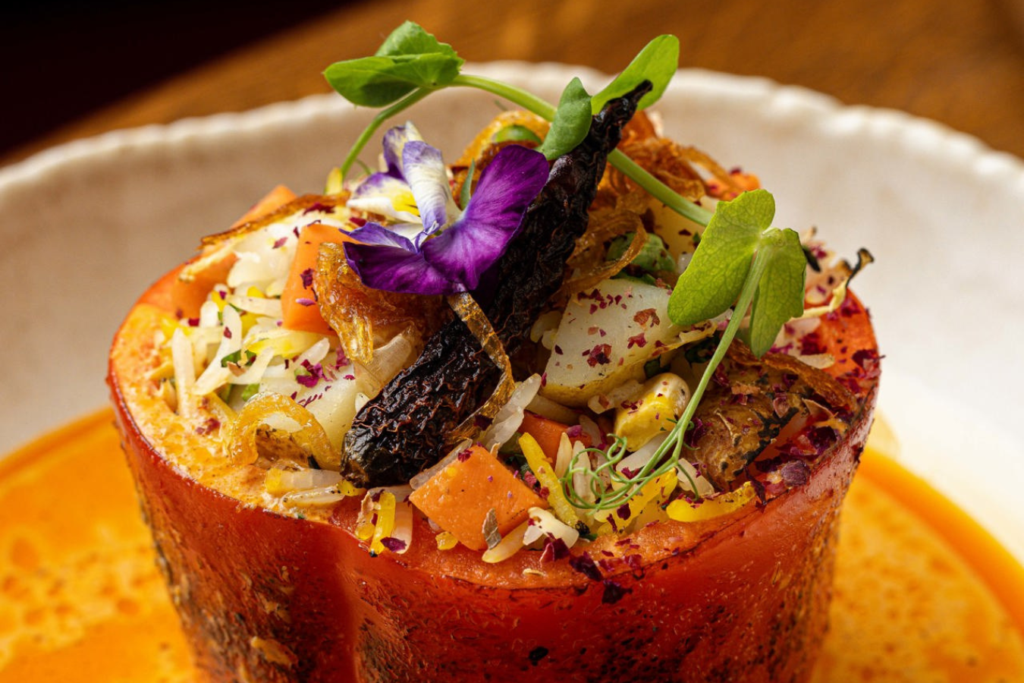
Aggarwal has his own experience of feeding a gathering. He has described childhood Diwali celebrations involving 50 or 60 relatives, with families bringing dishes from their homes to share. His recollection gives the restaurant’s emphasis on communal meals a personal foundation. There were several cooks contributing to those celebrations, and several households represented at the table.
The dal also appears in Lomri’s tasting thali, alongside dishes including Goan prawn curry and white butter chicken. A preparation that can take 24 hours becomes one part of a single platter. Aggarwal’s more demanding recipes reach the table in a form that asks very little of the diner.